
Product engineering with an architect's signature on every release.
Technodot's product engineering teams take an idea, a specification or a struggling system and turn it into software your operation can depend on.
We work in two-week sprints with visible boards, eight quality gates and documentation as a deliverable. Whether you need a first version, a rebuild, or a permanent extension of your engineering capacity, the structure is the same and the accountability is named.

Software fails slowly, then all at once. We build for the second year.
Anyone can produce a demo. The expensive part arrives later — when the third integration lands, when the person who wrote it leaves, when the load doubles and nobody documented why the schema looks like that.
Our product engineering practice is organised around that second year. Architecture is designed before implementation and recorded with rationale. Documentation and runbooks are sprint deliverables. Every release passes eight quality gates with attached evidence. The result is software that survives its own success.
Architecture first
A solution architect designs the system and records why each significant choice was made, before a line of implementation code exists.
Two-week visible sprints
Demonstrable increment every fortnight, with your seat at the review and live access to the board and repository.
Documentation as deliverable
Architecture notes, API references and runbooks are reviewed each sprint — never written in a panic at handover.
Handover by design
Full IP assignment, environment transfer, knowledge sessions and a 30-day hypercare window on every engagement.
Seven stages, each with something you can inspect.
Select a stage. Every one produces an artefact you can read, run or test — not a status update.
Discovery
We separate the request you made from the problem you have. Stakeholder interviews, current-system mapping, constraints, users and success criteria — and a plain answer on whether this is worth building at all.
- Problem statement
- Success criteria
- Constraint map
- Go / no-go recommendation
Discovery
We separate the request you made from the problem you have. Stakeholder interviews, current-system mapping, constraints, users and success criteria — and a plain answer on whether this is worth building at all.
- Problem statement
- Success criteria
- Constraint map
- Go / no-go recommendation
Product classes we take on, and the ones we decline.
Filter by the kind of product you are commissioning. If your requirement spans several, that is normal.
SaaS Platforms
Multi-tenant products with billing, roles and the operational tooling a real customer base requires.
MVP & Version One
A market-testable product scoped to the riskiest assumption, on an architecture that can carry version two.
Mobile Applications
Field-grade iOS and Android apps for people working away from a desk, frequently offline.
AI-Enabled Products
Applied AI features scoped against a measurable decision, with evaluation and guardrails built in.
Legacy Modernisation
Incremental replacement of systems that still work but can no longer be changed safely.
Systems Integration
Connecting the platforms your operation already runs so data stops being re-typed between them.
ERP Extension
Custom modules and extensions for Odoo, SAP Business One, Zoho and Dynamics deployments.
Performance & Reliability
Diagnosis and remediation for systems that have outgrown their original design assumptions.
Data & Analytics Products
Pipelines, warehouses and dashboards that turn system exhaust into operational visibility.
IoT & Connected Products
Software that talks to hardware, taking readings and sending instructions securely over the air.
Internal Platforms
Bespoke operational systems for workflows that off-the-shelf SaaS cannot accommodate.
Prototypes & Proofs of Concept
Time-boxed technical spikes to prove a specific capability before committing to a full build.
What we decline, and why we tell you early
Work with no technical substance
We are an engineering school. If a project is purely content entry, basic website configuration or graphic design without a software component, it does not stretch our students and we will decline it.
Rebuilding off-the-shelf software
If you can buy a SaaS product for $50 a month that does 90% of what you need, you should. We will not build a worse version of a mature product just to bill you for it.
Builds without a decision maker
Product engineering requires someone on your side with the authority to say 'yes' to a design and 'no' to scope creep. If that person does not exist or is unavailable, the project will fail.
Who is actually on your project.
An engineering pod designed for throughput and quality, led by seasoned professionals and staffed by top-decile student engineers.
Solution Architect
Owns the technical design. Maps your business problem to software, chooses the stack, writes the architecture document and signs off releases. You will speak to them a lot.
Technical Lead
The senior engineer embedded in the pod. Runs the stand-ups, reviews every pull request, pairs with students on complex problems and enforces code quality standards.
Project Manager
Owns the plan, the scope and the communication. They remove blockers, run the sprint ceremonies and ensure you know exactly what is happening and when.
Product Engineers
Top-decile student engineers from the Technodot academy. They write the implementation code, build the test suites and write the documentation, under continuous review by the Technical Lead.
Product Designer
Translates requirements into user flows and interface designs. They build the design system the engineers work from, ensuring the product is usable before it is built.
QA & Security Reviewer
An independent checker who does not report to the Technical Lead. They design the test strategy, run security assessments and hold the power to block a sub-standard release.
Eight gates per release, with evidence attached.
The definition of done is not 'it works on my machine'. It is this list.
- Architecture Review
- Peer & Lead Code Review
- Automated Testing Suite
- Manual QA & UAT
- Security Assessment
- Documentation Review
- Performance Validation
- Release Sign-Off
Why this matters
These gates are not optional. If a release fails security review, it does not ship. If it is missing runbooks, it does not ship. This discipline is why our systems survive handover.
Chosen for your context, documented with rationale.
We do not force your problem into our favourite stack. We select technologies based on your team's ability to maintain them, your scaling profile and your budget.
Frontend & Mobile
- React & Next.js
- Vue & Nuxt
- TypeScript
- React Native
- Flutter
- Tailwind CSS
Backend & API
- Node.js
- Python (FastAPI/Django)
- Java / Spring Boot
- .NET Core
- Go
- GraphQL & REST
Data & AI
- PostgreSQL & MySQL
- MongoDB & Redis
- Snowflake
- PyTorch
- LangChain
- Vector Databases
Cloud & DevOps
- AWS & Azure
- Google Cloud Platform
- Docker & Kubernetes
- Terraform
- GitHub Actions / CI
- Observability (Datadog/New Relic)
Business Systems
- Odoo
- SAP Business One
- Zoho Suite
- Salesforce
- Dynamics 365
- Power Platform
Embedded & Connected
- MQTT & AMQP
- ESP32 & Raspberry Pi
- Edge Computing
- Industrial Protocols (OPC UA)
- Digital Twins
Three ways to commission product engineering.
We structure engagements around how much certainty you need versus how much flexibility you want.
Scoped Build
A fixed-price engagement to deliver a defined outcome. Best for version ones, specific integrations or bounded modernisation projects.
- Fixed scope and timeline
- Clear acceptance criteria
- Ideal for new product builds
Retained Capacity
A continuous allocation of engineering capacity burning down a rolling backlog, directed by your product owner.
- Flexible priority steering
- Consistent velocity
- Ideal for ongoing development
Dedicated Product Team
A ring-fenced pod comprising architecture, engineering, design and QA, working exclusively on your portfolio of products.
- Deep domain knowledge
- Full team ceremonies
- Ideal for scale-ups
Anonymised until each partner approves attribution.
We build for manufacturing, logistics, financial services and healthcare. Here is a representative sample of recent deliveries.
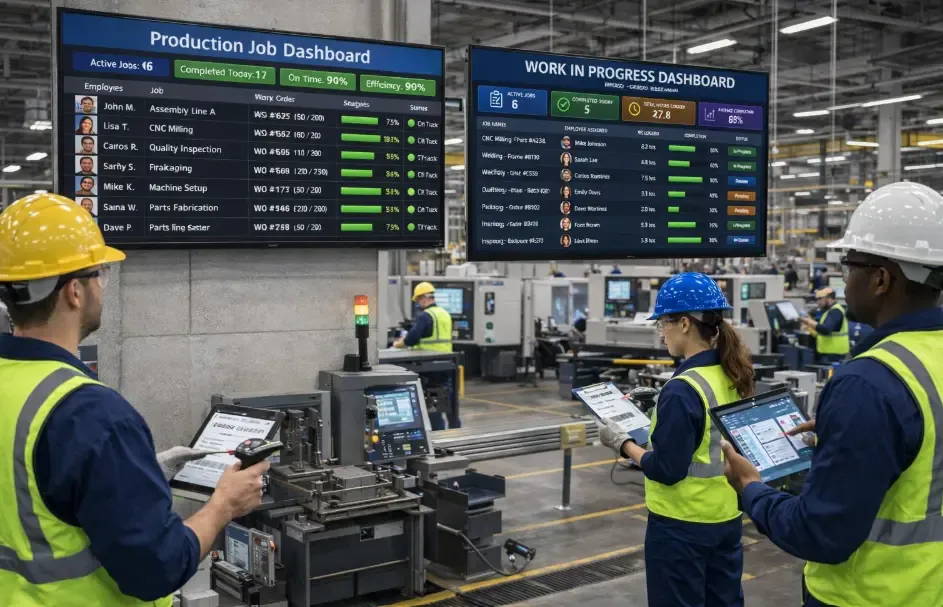
Shop-floor visibility platform
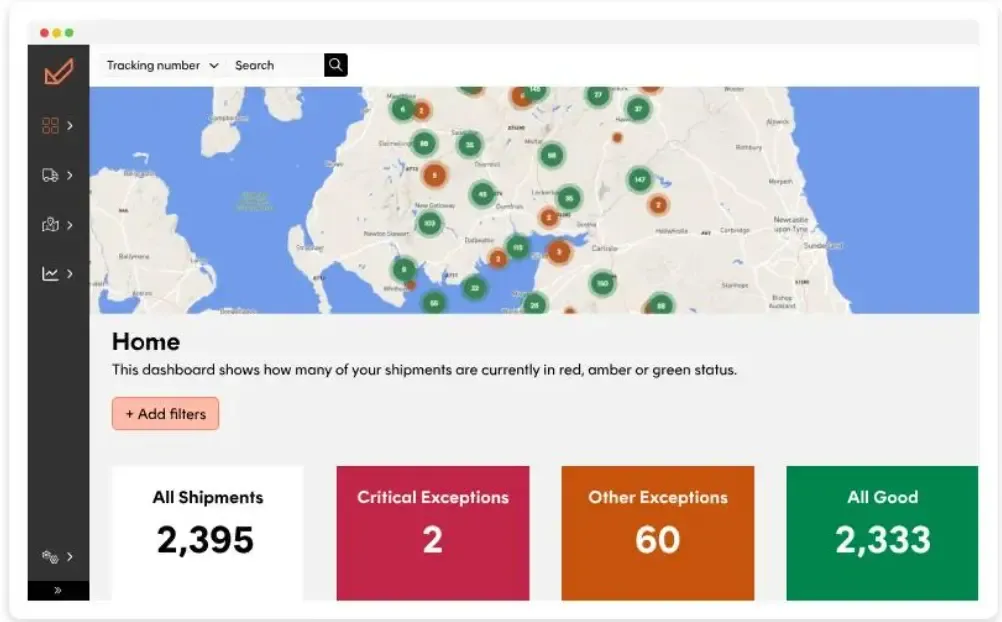
Shipment visibility and exception portal
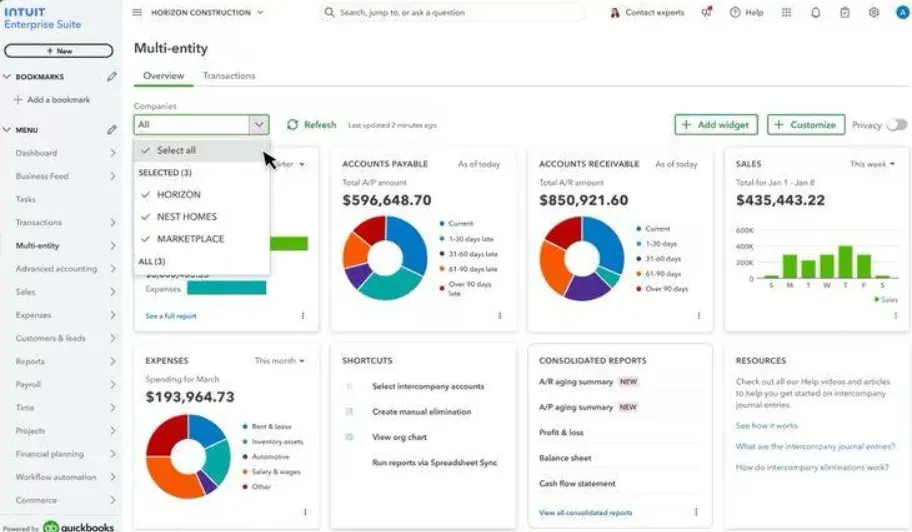
Multi-entity reconciliation automation
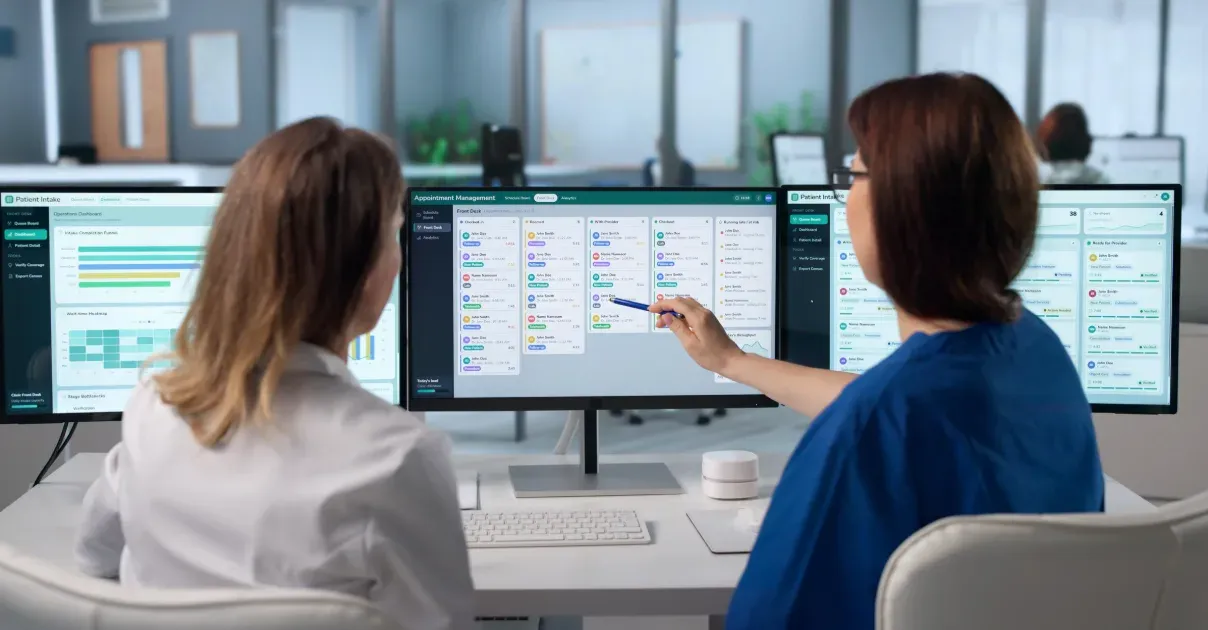
Outpatient intake assistant (Pilot)
Send us the problem, not the specification.
A solution architect will read your brief and return a feasibility view, indicative approach and timeline within two business days.